

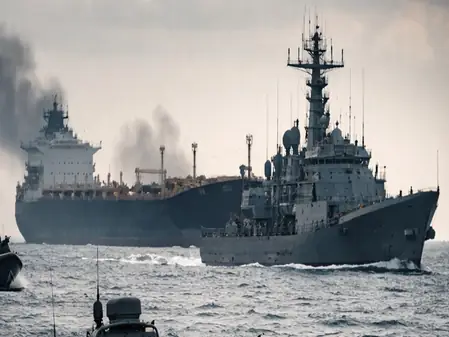
A perilous standoff in the Middle East has turned the world’s most crucial oil chokepoint into a no-go zone for commercial shipping. Heightened clashes between Iran, America, and Israel have unleashed a barrage of attacks on merchant vessels in the Gulf of Oman, Persian Gulf, and Hormuz Strait over the last two days.
At least three to eight commercial ships—ranging from oil tankers to container carriers—bear the scars of drone boat strikes, missile hits, and explosive detonations nearby. Casualties include one confirmed fatality among crew members and multiple wounded, underscoring the human cost of this escalating conflict.
Retaliation followed U.S. and Israeli operations against Iranian sites at February’s end. Now, the Strait of Hormuz, lifeline for one-fifth of global oil and LNG shipments, echoes with eerie silence as traffic plummets.
Dozens of major shipping firms have halted operations here. Maersk and Hapag-Lloyd lead the exodus, diverting cargoes via Africa’s southern tip, which inflates fuel bills and delays by up to three weeks.
Navigation nightmares abound with nonstop GPS and AIS disruptions affecting more than 1,100 vessels, fabricating ghost positions that sow confusion at sea.
Insurers are pulling plugs on policies for these high-risk zones, leaving owners scrambling for costly workarounds. J MIC’s ‘Critical’ alert warns of near-certain strikes ahead.
American maritime guidance stresses evasion: skirt the region if possible, keep clear of warships, double-check radar and visual bearings, and enforce top-tier BMP5 security measures. As superpowers posture, global trade hangs in precarious balance.