

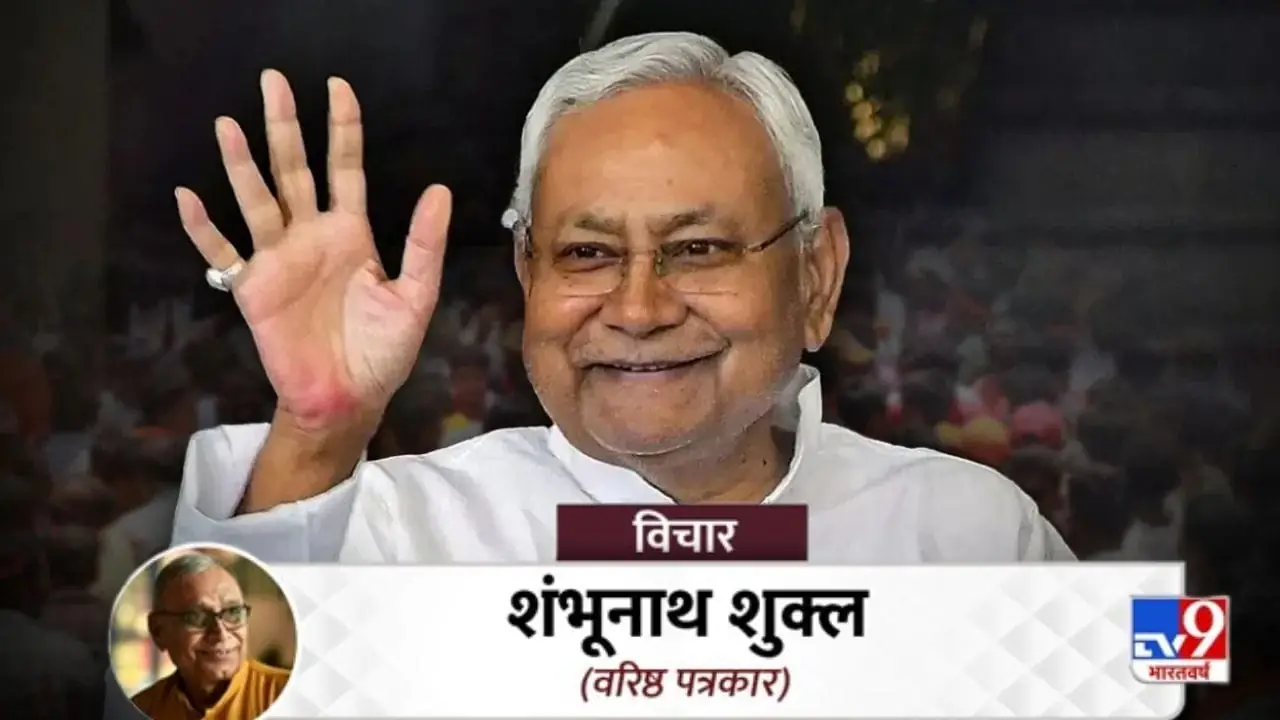
Bihar’s political landscape faces an uncertain future as long-time Chief Minister Nitish Kumar opts for Rajya Sabha, vacating the top post ahead of 2025 polls. This self-proclaimed exit from active state leadership marks the end of two decades of transformative rule that rescued Bihar from anarchy.
Recall the pre-Nitish era: a state mired in caste carnages, kidnappings, and extortion. Evening travel from villages to towns was impossible without fear. Nitish flipped the script with world-class infrastructure. A filmmaker from Supaul now flies from Mumbai, reaching home in five hours via pristine roads—no more two-day ordeals from Delhi.
His genius lay in balancing adversaries. Allied with BJP, he shielded Bihar from their polarizing policies, maintaining socialist ethos. Unlike Lalu’s tenure, which quelled communalism but exacerbated caste rifts leading to mass killings, Nitish healed both wounds.
Women’s liberation became reality under him. Girls pedaled to distant schools on free bicycles, pursuing higher education independently. Markets buzz with female shoppers unafraid. Prohibition targeted male alcoholism’s toll on families—fewer beatings, more stability, even if illicit liquor trickles in from UP.
Nitish championed EBCs, granting them panchayat quotas and integrating them with upper castes via social justice. Women secured half the seats in quotas, from jobs to local governance, birthing a generation of assertive leaders free from patriarchal shadows.
Politically nimble, Nitish navigated coalitions masterfully: NDA stints, a brief UPA flirtation with RJD, back to NDA amid corruption rows, then Mahagathbandhan, INDIA alliance, and latest NDA return post-2025 wins. Handing home portfolio to BJP’s deputy hints at transition.
Nicknamed ‘Sushasan Babu’ for good governance, his advisory circle—including RC Prasad, KC Tyagi, Sharad Yadav, and George Fernandes—shaped this turnaround. Post-Nitish, analysts foresee Muslim voters fleeing to Congress, potentially reviving it against RJD dominance.