

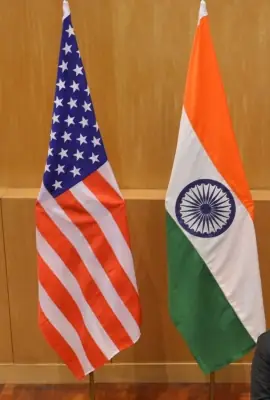
As U.S.-India relations face headwinds from the Trump administration’s hardball tactics, New Delhi is aggressively forging alternative trade alliances. Foreign Affairs reports that India’s disillusionment with unfulfilled promises of elevated partnership against China has spurred a diversification drive.
A pivotal January trade agreement with the EU marks this strategic realignment. Described by Ursula von der Leyen as foundational, it anticipates 30 billion euros in mutual export benefits, bolstered by defense pacts and more. Similar deals with Australia and the UAE are weaving a resilient economic safety net.
The magazine advocates India’s accession to CPTPP, the high-standard trade framework that emerged post-Trump’s TPP exit. Covering 15% of world GDP across 12 nations including Japan, Mexico, and Vietnam, CPTPP demands structural reforms in key sectors, fostering genuine economic upgrades.
Prospective members like South Korea signal CPTPP’s momentum. For India, membership would unlock premium market access, turbocharge exports, and embed it firmly in Asia-Pacific supply networks. While challenges persist, the geo-economic upside—bolstering growth without U.S. dependency—makes a compelling case for bold action.