

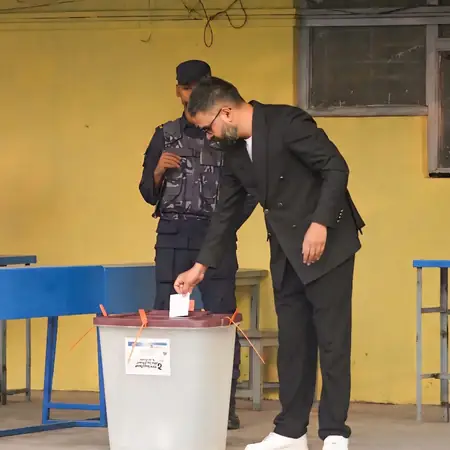
Nepal’s crucial parliamentary elections unfolded peacefully on Thursday, boasting a voter turnout of approximately 24%—over 4 million ballots—by 1 PM. The Election Commission highlighted the orderly conduct nationwide, with more than 18.9 million registered voters, including 915,119 newcomers, eligible to shape the country’s lower house composition.
This ballot comes in the wake of last year’s Gen-Z protests in September 2025, which toppled the KP Sharma Oli administration, paving the way for fresh leadership. Voters are choosing 275 lawmakers: 165 via direct contests and 110 through proportional seats, critical for national representation.
Police confirmed a largely incident-free environment up to midday. Spokesperson DIG Abi Narayan Kafle told reporters that apart from negligible disturbances at a few booths, polling proceeded without hitches. ‘Elections are happening in a very peaceful manner across the country; no violence reported so far,’ he affirmed.
A notable exception occurred in central Nepal’s Dolakha district, where tensions flared at a Tamakoshi polling station. An agent’s aggressive push against a polling official, upset over rejected solo-voting demands, led to a brief halt. Assistant Chief District Officer Aulakh Bahadur Ale said police intervened with aerial shots, and voting remains paused pending resolution via all-party talks.
In southern Sarlahi’s high-profile Sarlahi-4 seat, a minor tussle broke out early morning, pitting Nepali Congress heavyweight Gagan Thapa against RSP’s Amresh Kumar Singh. No further escalations followed, per police updates. Leaders like PM Sushila Karki, Oli, Prachanda, Lamichhane, and Balen Shah had already voted, setting an example.
Karki called on the populace: ‘I appeal to all voters to cast their valuable votes, as they will determine our future.’ As polling continues, the focus remains on sustaining this momentum toward a stable political horizon.