

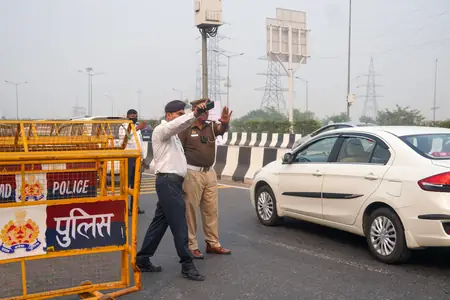
As Delhi erupted in a splash of colors for Holi on March 5, the Traffic Police rolled out an iron-fisted campaign to keep roads safe. Special teams fanned out across the capital, conducting intensive checks at busy junctions and arterial roads. The message was clear: no tolerance for rule-breakers, especially those mixing festivities with liquor behind the wheel.
The day’s efforts resulted in 4,929 traffic violations penalized. Drunk driving topped the list with 1,204 cases, caught via mandatory breath analyzer tests at barricaded checkpoints. This aggressive stance was part of a well-orchestrated plan to curb potential tragedies during the high-spirited festival.
Additional Commissioner of Police Dinesh Gupta detailed the strategy: collaborative teams from traffic and local police manned critical intersections. The remaining 3,725 fines covered a range of offenses, from speeding to helmet non-compliance, ensuring comprehensive rule enforcement.
Gratifyingly, the operation reported zero major incidents, crediting round-the-clock surveillance. Gupta urged the public to prioritize safety, stressing education on festival driving risks. ‘Awareness is key to preventing accidents and protecting everyone on the road,’ he noted.
Delhi’s Holi passed off seamlessly, with controlled traffic and joyful vibes intact. This success story highlights how dedicated policing can transform festive chaos into orderly celebration, setting a benchmark for urban traffic management during peak events.