

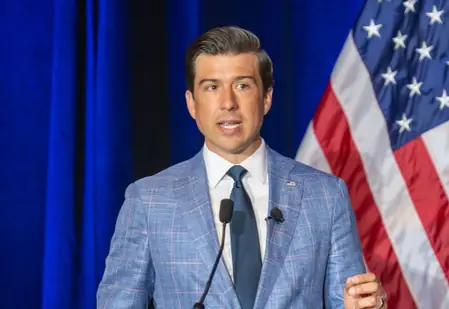
In a strategic realignment, the United States is zeroing in on India and China to supercharge its agricultural exports. During a tense congressional hearing on March 5, USDA official Luke Lindberg laid out the blueprint, promising new horizons for US farmers amid debates on deficits and dependencies.
Lawmakers grilled Lindberg on the yawning farm trade gap and import addictions, spotlighting the 75% seafood import rate. He conceded the challenges but envisioned a robust response: enhance domestic output, prioritize local foods, and conquer global markets. The goal? Slash this year’s projected $29 billion deficit.
Anchored in ‘America First’ principles, the policy pursues reciprocity and fairness abroad. Key tactics include elite trade pacts, relationship-building with buyers, and enforcing accountability. Asia breakthroughs abound—Japan and Vietnam now welcome more US goods, while China gobbles 12 million metric tons of soybeans.
India beckons with opportunities in high-tariff nuts like pecans, where talks aim to dismantle barriers. Beyond Asia, Guatemala’s ethanol pledge and European beef expansions bolster the outlook. Yet politics intruded: Democrats decried tariffs’ blowback on farmers, with Bishop highlighting producer strains and Food for Peace transitions.
The USDA’s $452 million commitment ensures 211,000 tons of aid flows through global channels. Lindberg stressed that growing production and exports while curbing imports will fortify farmers. This comprehensive thrust seeks surplus trade balances and a stronger US agriculture sector worldwide.