

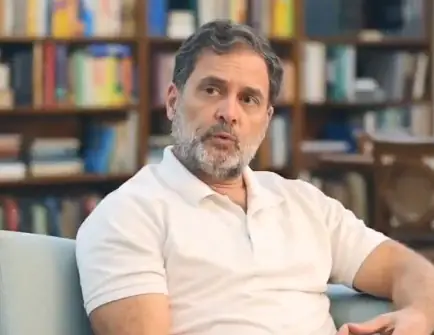
Tensions in the Middle East are sending shockwaves through India’s economy, and Congress MP Rahul Gandhi isn’t holding back. He has publicly rebuked Prime Minister Narendra Modi for staying mum as the Strait of Hormuz—the gateway for more than 40% of India’s oil imports—faces closure amid US-Israel-Iran clashes.
Posting on social media platform X, Gandhi painted a dire picture: ‘The world enters turbulent times with severe crises looming. Our oil supply hangs by a thread, especially LPG and LNG.’ He pointed to an Iranian warship’s demise in the Indian Ocean, signaling the conflict’s proximity.
‘YET, the Prime Minister remains silent,’ Gandhi fumed, slamming Modi’s leadership as ‘compromised’ and lacking strategic independence. Oil markets reacted sharply, with crude prices jumping over 2% after Iran sealed the strait and projectiles hit a container vessel.
India, reliant on imports for 85% of its crude—50% from the region—holds a 25-day buffer of oil and products, per officials. But with supplies disrupted, inflation fears mount.
This verbal salvo from Gandhi underscores opposition frustrations amid rising fuel costs and global uncertainty. As stakeholders monitor every tanker transit, the debate intensifies: Does Modi’s quiet diplomacy safeguard interests, or does it leave India exposed? The coming weeks will test national resilience and political resolve.