

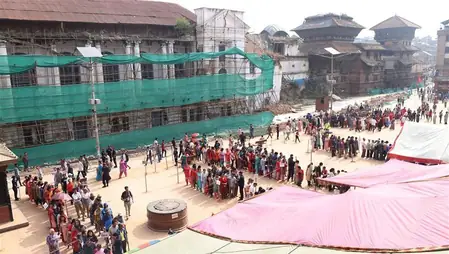
In a pivotal moment for Nepal’s democracy, voting for parliamentary seats commenced Thursday morning across the nation’s 77 districts. With 23,000 polling booths operational from 7 AM to 5 PM, nearly 19 million eligible voters are participating in the first elections since the Gen Z rebellion shook the country last fall.
The electorate includes 9.66 million males, 9.24 million females, and a small number of others, totaling 18,903,689 registered individuals. Voters will elect 275 members to the lower house: 165 via direct contests among 3,406 candidates, and 110 through proportional allocation with 3,135 contenders.
This poll follows the violent September 8-9, 2025, protests where 77 perished and damages exceeded 84 billion Nepali rupees. The unrest forced PM KP Oli’s exit, ushering in Sushila Karki’s interim setup, which prioritized stability and election scheduling.
Chief Election Commissioner Ram Prasad Bhandari called on the public to embrace their democratic duty without hesitation. “We’ve prepared meticulously for polling infrastructure, accessibility, and support for all demographics, including the differently-abled,” he assured.
Bhandari highlighted elections as the foundation of credible governance, encouraging full turnout. Comprehensive arrangements promise clean, impartial proceedings, signaling Nepal’s resolve to move past recent instability and forge a stable future.