

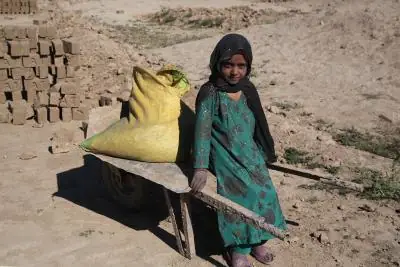
A fresh analysis by Pakistan’s Planning Commission reveals a troubling escalation in poverty and economic disparity across the country over the last six years. Based on comparative data from the 2018-19 and 2024-25 HIES surveys, the report highlights how household incomes have become increasingly skewed.
At the national level, the poverty headcount ratio worsened from 21.9% to 28.9%. The rural-urban divide sharpened dramatically: rural poverty ballooned to 36.3% from 28.2%, and urban figures climbed to 17.4% from 11%. Key drivers include a 7.1% unemployment rate in 2024-25—up from 5.7%—and a 27.5% plunge in average real family incomes.
External calamities played a major role. The COVID-19 outbreak crippled growth in 2019-20, followed by floods in 2022-23 that ravaged infrastructure and livelihoods. Austerity measures under IMF programs—subsidy reductions, tax hikes on essentials, and curtailed public investments—exacerbated hardships for the masses.
The report lambasts policy volatility as a core culprit, urging a paradigm shift. The minister advocated prioritizing exports, underdeveloped regions, fiscal harmony between governments, and expanded social protections like direct cash aid, poverty programs, and SME support.
This document transcends statistics; it’s a blueprint for revival. Analysts hope the current administration will implement these reforms to bridge inequality gaps and restore economic vitality, preventing a deeper slide into despair.