

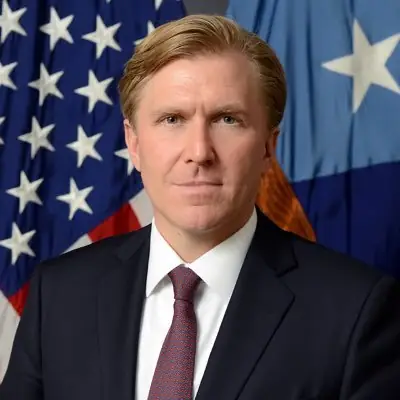
In a candid testimony to the Senate Armed Services Committee, Pentagon official Elbridge Colby revealed the Trump administration’s bold pivot: containing China’s influence in the Indo-Pacific now drives U.S. defense priorities. The forthcoming 2026 National Defense Strategy calls for power equilibrium in Asia, pushing allies to boost their own defenses and spending.
Colby painted a clear picture of military planning centered on the Indo-Pacific, home to the globe’s biggest economic powerhouse. The U.S. isn’t after conflict with Beijing or regime change, but firmly against China establishing regional hegemony. He specifically targeted the First Island Chain as the Pentagon’s core battleground, committing to denial strategies that block Chinese advances from Japan to the Philippines.
Securing deterrence there promises Asian stability and U.S. agility for other global hotspots. Economic imperatives amplify the stakes – U.S. interests are deeply embedded in this vast market arena. Partnerships with wary neighbors will intensify, aligning with nations determined to safeguard their independence from overreach.
Burden-sharing forms the strategy’s backbone. Colby didn’t mince words: capable allies must step up. Post-Cold War complacency has led to demilitarization among wealthy partners, which he deemed unacceptable. Europe should handle Russia’s conventional threats via NATO leadership; South Korea must primarily counter North Korea.
Long-haul rivalry demands industrial revival. Colby urged mobilizing the defense manufacturing sector to churn out cutting-edge arms at scale for U.S. and partner militaries. China anchors planning, but Russia, Iran, and North Korea loom large. Discipline is key – overextension risks everything.
This framework resonates with Indo-Pacific players, including India, signaling America’s steadfast resolve to foster balanced power dynamics and collaborative security against dominance.