

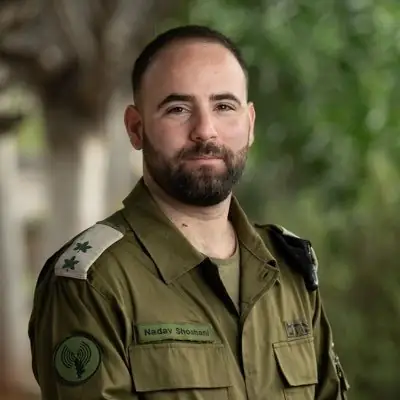
Tensions in the Middle East have spiked following bold assertions from Israeli intelligence that Iran coerced Hezbollah into aggression after Operation ‘Roaring Lion’ kicked off. The operation appears to have rattled Tehran, prompting frantic efforts to alter the balance of power through its Lebanese proxy.
IDF spokesperson Lieutenant Colonel Nadav Shoshani detailed how Iranian higher-ups leaned hard on Hezbollah commanders, urging them to fire on Israeli forces and civilians. The intent was to create diversions and inflict casualties, easing the spotlight on Iran’s own vulnerabilities.
Hezbollah’s decision to attack speaks volumes about its priorities. By choosing confrontation over the well-being of Lebanon, the militia has reaffirmed its subservience to Iran—a regime whose interests clash sharply with those of ordinary Lebanese people. Engaging in what looks like an unwinnable war only deepens the peril for everyone involved.
The human cost was laid bare in the deadly strike on Beit Shemesh on Tuesday. Situated 30 km west of Jerusalem, the town suffered catastrophic damage as rockets demolished homes, killing several residents, among them young children. Panic gripped the streets as the assault unfolded with terrifying speed.
Local witness Shimon Ganon captured the nightmare: ‘Everything was wiped out in three or four seconds. My home is completely destroyed. It doesn’t feel real—like a bad dream. We’re all in shock.’
Amid ongoing search and rescue efforts, authorities are still gauging the damage in this tense environment. Shoshani’s earlier remarks ring truer than ever: Iran, he said, has targeted civilians since the operation began, branding it a terrorist state responsible for the Beit Shemesh deaths.
As the dust settles, questions swirl about Hezbollah’s future maneuvers and Iran’s role in fueling proxy wars. Israel’s vigilance remains high, signaling potential for intensified responses to safeguard its borders.