

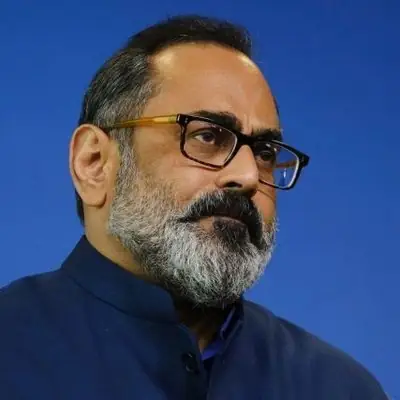
Tensions around language policy in Kerala escalated as state BJP president Rajeev Chandrasekhar met Governor Rajendra V. Arlekar on Tuesday, pressing for urgent assent to the Malayalam Language Bill. Chandrasekhar hailed it as a cornerstone for preserving cultural heritage and igniting pride among Malayalis.
‘This bill is more than legislation; it’s a cultural renaissance,’ Chandrasekhar declared, noting its potential to make Malayalam the cornerstone of state administration. He referenced cultural figures who, after thanking PM Modi for renaming the state officially to ‘Kerala,’ demanded swift action on the bill.
By integrating Malayalam into everyday governance—from official paperwork to public interactions—the law would bridge gaps between rulers and the ruled. Expect improved transparency, easier access to services, and higher citizen engagement, Chandrasekhar predicted.
The younger generation stands to benefit immensely, forging stronger linguistic bonds that safeguard traditions against globalization’s tide. Yet, the BJP chief stressed inclusivity: no language would be marginalized. English and Hindi remain essential for career growth, and minority rights must be protected through careful rollout.
Chandrasekhar proposed a roadmap: phased adoption with precise rules, advanced translation tech, bilingual aids, and tailored measures for linguistically diverse areas. This balanced approach could transform Kerala’s administrative landscape without alienating communities.
As Kerala navigates its multicultural fabric, this bill symbolizes empowerment, echoing the successful name change that unified voices in pride.