

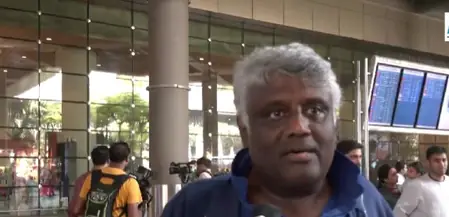
In the shadow of Middle East disruptions, flights from Dubai and Abu Dhabi to India have taken unexpected detours, primarily through Muscat, as passengers navigate a landscape of closed airspaces and cautious reopenings. Arriving at Mumbai’s international terminal, returnees described a mix of logistical challenges and surprising normalcy on the ground.
A large corporate group from Abu Dhabi credited airlines for their rescue. Their spokesperson highlighted the ordeal: ‘Our 580-strong team owes a debt of gratitude to Air India. Despite the shutdown, coordinated efforts got us airborne and safely to Mumbai.’
Business travelers adapted quickly. One Dubai visitor rerouted mid-trip: ‘Business in Dubai turned into a 12-hour Muscat layover marathon just to reach Mumbai. For now, it’s the sole viable path out—highly recommended for those stranded.’
On-the-ground reports varied but converged on guarded optimism. Muscat felt serene yet precarious: ‘Everything’s peaceful there, but the war risk looms large—it’s deeply worrying.’ Dubai’s airports hummed at reduced capacity: ‘Operations are limited but functional; ticketholders board without issue since resumption.’
Security stood out amid the chaos. ‘Dubai’s defenses were impeccable—we heard blasts but felt protected,’ enthused one passenger. ‘Locals went above and beyond to assist.’
Personal stories added depth. A Maharashtra local reflected: ‘Dubai dazzles with development, but those final explosions were sobering.’ Joy punctuated returns: ‘Overjoyed to reunite with family after landing from our February 24 arrival.’ Omanis earned praise too: ‘Thankful for Omani hospitality; peace is our collective prayer.’
As regional skies reopen tentatively, the traveler influx at Mumbai reveals broader patterns—preemptive homecomings driven by prudence. Experts note this as a classic response to airspace volatility, with airlines scrambling to restore schedules while passengers prioritize reunion over risk.