

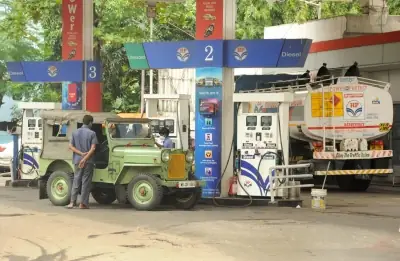
As geopolitical tensions flare in Iran, India’s energy warriors have fortified defenses. Exclusive insights from official channels confirm stockpiles covering 25 days of crude oil and petroleum products, inclusive of incoming tanker cargoes. LPG and LNG reserves similarly shield the nation from immediate shocks.
The numbers tell a story of strategic foresight. Heavily import-dependent—85% of crude comes from abroad—India once funneled 50% through Hormuz. Post-Iran conflict, that chokepoint falters, but New Delhi’s pivot pays off.
Africa’s fields, Russian pipelines, and American shale now flood Indian refineries. Oil majors—IOC, BPCL, HPCL—brag weeks of stock, sourced diversely. Export bans on products beef up buffers, a government directive ensuring no leaks in the domestic supply chain.
Strategic sites shine: Padur’s 2.25 MMT caverns, Visakhapatnam’s 1.33 MMT, Mangaluru’s 1.5 MMT. Chandikhol’s upcoming reserve promises more. These can flood markets during crises, easing price jolts for national oil firms.
The flip side? Brent crude blasts past $80/barrel, a 10% crisis premium. Import costs soared—$137 billion FY25, $100.4 billion already this year on 206.3 MT. Inflation ticks up, growth wobbles.
India’s playbook—diversify, stockpile, ration exports—transforms vulnerability into strength. While global jitters persist, the subcontinent’s oil lamps burn steady, a testament to policy prescience.