

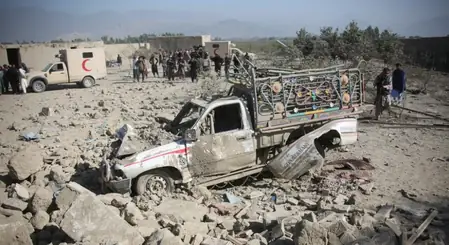
Tensions along the Pakistan-Afghanistan border have boiled over into deadly violence, according to a stark UN update. Over a mere four-day span ending March 1, Pakistani attacks killed 34 people in Afghanistan and injured 89 more. The UN’s preliminary count includes heartbreaking losses among children and women, painting a grim picture of the conflict’s toll.
Spokesman Stéphane Dujarric delivered the news in a UN press conference, noting that UNAMA teams are verifying additional casualties amid chaotic conditions. Humanitarian workers report immense challenges delivering aid to frontier areas, where fighting disrupts every effort.
What began with Pakistan’s February 21-22 airstrikes on supposed terrorist hideouts in Nangarhar and Paktika spiraled into widespread skirmishes along the Durand Line. Afghanistan hit back, striking Pakistani bases and capturing outposts in strategic districts like Spin Boldak, where three enemy posts fell, resulting in Pakistani casualties and a prisoner.
Afghan officials boast of operations across Khost, Jalalabad, and Kandahar, crippling Pakistani positions. Pakistan countered fiercely through its air force in ‘Operation Gajab Lil-Haq,’ targeting Afghan installations in multiple provinces.
This cycle of retaliation underscores deeper mistrust, with each side blaming the other for sheltering extremists. Displaced Afghans streaming back from Pakistan endure worsening plight, and the UN predicts even larger waves of refugees ahead.
As artillery echoes across the border, the humanitarian fallout mounts. Global leaders advocate restraint, but entrenched hostilities suggest prolonged strife. Preventing a full-scale war demands urgent diplomatic intervention before more innocents pay the ultimate price.