

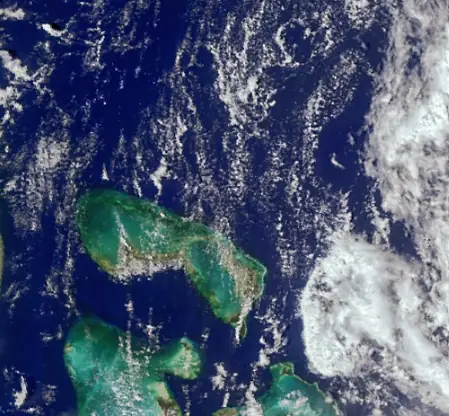
The world’s oceans paint a dynamic palette, shifting from deep blue to vivid green, yellow, or red depending on what’s lurking beneath the surface. This isn’t random artistry—it’s science driven by light, biology, and chemistry, as detailed in cutting-edge NASA studies.
Sunlight penetrates water, where different elements selectively absorb and scatter wavelengths. Clear water loves blue light, reflecting it back to our eyes. But phytoplankton, the ocean’s microscopic algae, pump in chlorophyll that bounces green rays, signaling nutrient-rich hotspots.
Productive upwelling zones burst with green from dense plankton populations. Offshore deserts remain blue due to sparse life. Suspicious yellows or reds often flag sediments, organic matter, or explosive algal growths. These blooms, while natural, turn deadly when toxins build up, harming fish stocks and beachgoers alike.
Satellites capture this spectral symphony, enabling real-time ocean health checks. Water quality assessments guide sustainable fishing, protect public health, and inform policy. NOAA compiles comprehensive datasets from NASA and global satellites, fueling research into everything from pollution tracking to biodiversity.
Enter NASA’s PACE satellite, deployed in early 2024, revolutionizing the field. Its advanced instruments dissect light into hundreds of bands, distinguishing phytoplankton species and mapping their global spread. Early images reveal cloud-ocean feedbacks, aerosol effects, and plankton-driven carbon cycles—all critical for climate modeling.
Collaborating with NOAA, PACE data sharpens operational tools for ecosystem monitoring, hazard alerts, and resource planning. In an era of rising seas and shifting currents, these color insights are lifelines for fisheries, tourism, and global food security, proving the ocean’s true colors hold secrets to our planet’s future.