

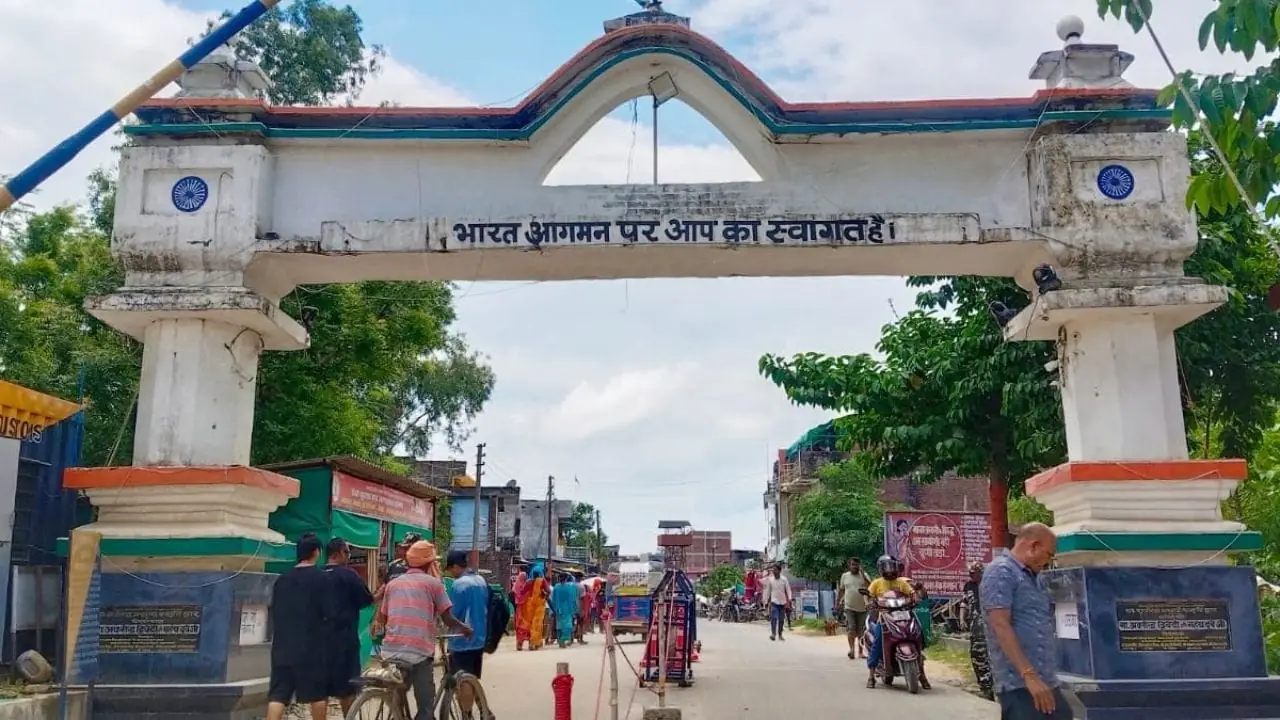
Border dwellers in Bihar’s Seemanchal region brace for a subdued Holi as the India-Nepal frontier locks down for three days. Triggered by Nepal’s crucial Representative Assembly elections on March 5, the closure spans from late Monday to Thursday night, severing vital connections at key points like Jogbani.
This security blanket aims to prevent disruptions during voting in Nepal’s border areas adjacent to India’s Araria and Kishanganj districts. With dozens of informal crossings usually buzzing with daily commuters, the full clampdown marks a rare festive blackout. Families planning cross-border reunions cancel trips, turning tradition into virtual greetings.
Economic ripples are profound. Daily trade volumes—vegetables, textiles, electronics—plunge to zero. Jogbani’s commercial hub, a bilateral marketplace for decades, echoes with inactivity. Small traders, reliant on Nepali buyers for Holi peak sales, face steep revenue drops. Perishable goods rot at checkpoints, amplifying frustrations.
Cultural exchanges suffer too. Holi transcends borders here; relatives splash colors freely, sharing feasts and folk songs. This year, such joys yield to phone screens. ‘It’s heartbreaking,’ says a local shopkeeper. ‘Our lives are intertwined, yet politics divides us temporarily.’
Enhanced patrols by Sashastra Seema Bal (SSB) and Nepali police underscore the stakes. Bihar’s liquor prohibition amplifies anti-smuggling drives, with Nepal’s pre-poll dry week sealing supply routes. Emergency access persists, but most face impassable barriers.
Residents hope post-election reopening revives the buzz. Until then, the border’s quietude symbolizes clashing calendars—festival versus democracy—casting a pall over spring’s merriment.