

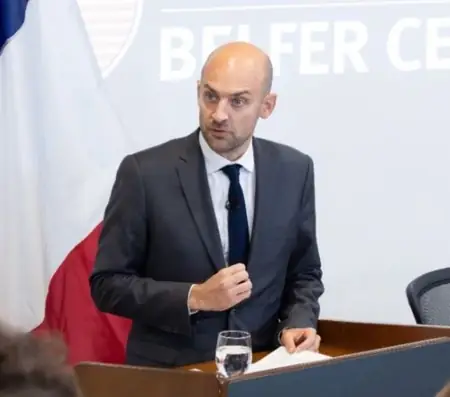
France is breaking ranks with its allies, with Foreign Minister Jean-Noël Barrot openly questioning the legality and process behind US-Israel airstrikes targeting Iran. In Paris, Barrot told reporters that decisions of this magnitude demand discussion at bodies like the UN Security Council, where military actions could receive proper international legitimacy.
‘There are established platforms for such decisions,’ Barrot remarked, pointing to the UN as the ideal venue. He noted no casualties among French nationals but stressed the risks of bypassing global consensus. This critique arrives amid reports that Germany could soon align militarily with the US and Israel.
According to The Times of Israel, citing Israeli Army Radio, Berlin is weighing involvement if Iran persists in attacking neighboring states. Sources from Germany’s Foreign Ministry and Bundestag’s Foreign Affairs Committee revealed ongoing planning for strikes in tandem with America.
The E3 nations—France, Germany, and the UK—issued a collective denunciation of Iran’s regional assaults on Sunday night, pledging readiness for defensive measures. UK leader Keir Starmer followed up with a recorded statement greenlighting US access to British bases for missile defense. ‘This will help stop Iranian missiles from hitting Gulf countries,’ he explained, adding that RAF jets are actively participating in defensive maneuvers and have already neutralized threats.
Starmer’s announcement underscores Britain’s commitment to regional stability, even as France pushes for diplomatic restraint. With Germany potentially entering the fray, the alliance against Iran strengthens, but Barrot’s words serve as a reminder of the fragile balance between security and international law. Observers fear this could spiral into broader conflict without UN mediation.