

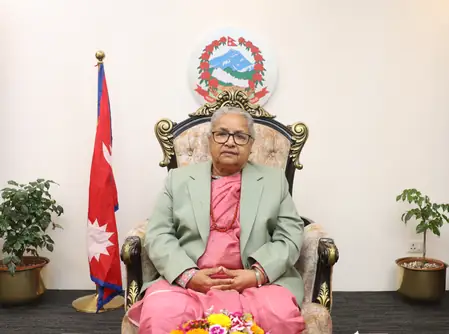
In the heart of Kathmandu, interim Prime Minister Sushila Karki has rallied Nepal’s citizens to actively participate in the March 5 general elections. Framing the vote as a cornerstone for personal and national progress, she seeks to galvanize turnout in what promises to be a landmark vote.
Karki’s message is clear and compelling: every vote shapes the future. She described the process not merely as selecting leaders, but as crafting a vision for prosperity and stability. This comes after her government successfully managed a precarious transition following the ‘Gen-Z’ protests that toppled KP Sharma Oli’s administration last fall.
Reflecting on recent achievements, the PM noted how her interim team overcame immense uncertainty to hold elections swiftly. ‘We’ve turned chaos into opportunity,’ she stated, crediting public resilience for the smooth path ahead.
Campaign trails are heating up, but so are concerns over digital disinformation. Karki issued a stern warning against fake news proliferators on social media, promising accountability under the law. Citizens are encouraged to stay vigilant and base decisions on verified information.
Nepal’s electoral system blends direct and proportional voting. Voters will elect 165 lawmakers via first-past-the-post in constituencies, while 110 seats go to parties based on vote shares. With 67 parties fielding over 3,400 candidates, the ballot promises diversity and intensity.
As Nepal eyes a new parliamentary era, Karki’s plea resonates: high participation is essential for enduring political harmony and growth. The elections represent not just a choice, but a collective commitment to the country’s aspirations.