

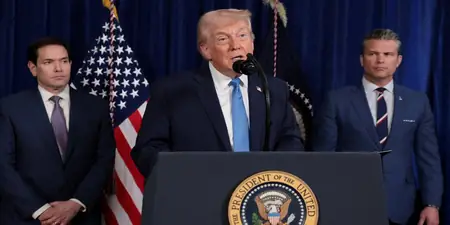
In a move that’s splitting Washington down party lines, senior Trump aides are set to brief Congress on the audacious U.S.-led assault on Iran. Defense Secretary Pete Hegseth and Secretary of State Marco Rubio head the list for Tuesday’s closed-door sessions with House and Senate members, joined by CIA chief John Ratcliffe and General Dan Caine.
The White House confirmed the plans via spokesperson Dylan Johnson, following Sunday’s marathon 90-minute update to bipartisan security committee staff. This escalation in transparency arrives as lawmakers grapple with the strike’s implications, from its tactical execution to constitutional questions.
Praise poured in from Republicans, led by Senate Majority Leader John Thune, who hailed the operation as a necessary strike against Iran’s nuclear threats and terrorist backing. Democrats fired back, with Hakeem Jeffries accusing Trump of bypassing approval and exposing troops to reprisals.
Major outlets have pieced together the strike’s scale. According to The New York Times, a coordinated three-wave barrage—fueled by shared U.S.-Israeli intel—wiped out top Iranian leadership and crippled air defenses, allowing Israeli jets free rein over Tehran. Trump himself tweeted about naval victories, claiming nine Iranian ships sunk and more in the crosshairs.
The Washington Post drew from Central Command sources, outlining rocket and missile barrages aimed at dismantling Iran’s security apparatus, with confirmed deaths of four high-ranking intelligence officers. Retaliation from Iran disrupted regional air travel, canceling thousands of flights across seven Middle East airports, including a drone-induced shutdown at Dubai.
The Wall Street Journal highlighted the broader fallout. As the administration defends its commander-in-chief authority for such operations—distinct from Congress’s formal war declaration power—observers recall similar flashpoints in recent U.S. interventions. Tuesday’s briefings may determine if unity emerges or if calls for oversight intensify.