

The assassination of Iran’s top leader Ayatollah Ali Khamenei via American-Israeli strikes has ignited fresh violence on the Israel-Lebanon border. Hezbollah militants in southern Lebanon broke a hard-won ceasefire from November 2024, unleashing rockets that sent northern Israeli communities scrambling for cover.
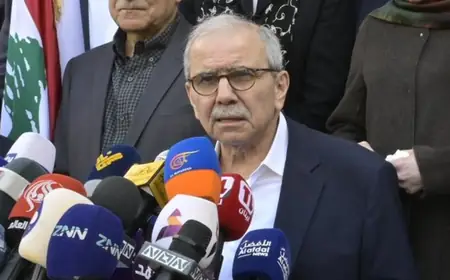
In a pointed message on X, Lebanese PM Nawaf Salam lambasted the rocket firings as reckless provocations that invite Israeli reprisals and jeopardize Lebanon’s stability. He pledged decisive action against those responsible, emphasizing the government’s commitment to safeguarding citizens from renewed conflict.
Israel’s military machine roared to life immediately. Air defenses knocked down one incoming rocket, with the rest causing no major harm but prompting widespread alerts. Magen David Adom reported minor injuries from the panic alone.
The IDF unleashed precision strikes on Hezbollah strongholds, hitting command centers and weapon caches. ‘Hezbollah prioritizes Iranian dictates over Lebanese sovereignty, attacking our civilians,’ said Northern Command leader Rafi Milo. He assured border residents of bolstered defenses and relentless pursuit of threats.
This cycle of attack and counterattack underscores the volatile alliances fueling Middle East strife. With Khamenei’s demise creating a power vacuum in Tehran, Hezbollah’s bold move could signal broader Shia resistance or desperate retaliation. Lebanon’s leadership faces a high-stakes test in curbing its most powerful faction, while Israel reinforces its northern frontier amid rising fears of all-out war.