

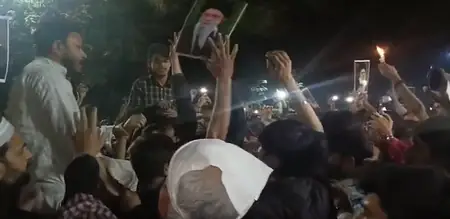
In a striking display of international solidarity, Aligarh Muslim University erupted in protests on March 2 after news broke of Supreme Leader Ayatollah Ali Khamenei’s death from an Israel-US attack. Students channeled their anger and sorrow into vocal demonstrations across the campus, drawing crowds of locals who amplified the chorus of condemnation.
A former long-term resident of Iran recounted his personal connection: ‘Having lived there for nine years, the loss hits hard. We protested day and night and pledge to continue until justice is acknowledged.’
Defiantly addressing the perpetrators, he declared, ‘Iran won’t crumble under your assaults. It remains unyielding and ready to retaliate. Khamenei’s unbowed spirit exemplifies this resilience.’
Fellow protesters hailed the leader as a beacon of human values, their placards and chants echoing through the university halls. This outpouring reflects broader unrest in India’s Muslim communities, linking local sentiments to global conflicts.
Lucknow witnessed similar scenes earlier, with throngs mourning in the streets of Old City. Markets halted operations for three days, and iconic landmarks such as the grand Bara Imambara stood silent. Shia leader Maulana Syed Kalbe Jawad called on compassionate citizens to join the mourning by suspending commerce.
Symbols of sorrow dotted the landscape: black banners waved high, Khamenei’s images graced imambara walls, and a provocative gesture saw flags of Israel and the US laid prostrate at Chhota Imambara’s entrance.
The coordinated responses signal a unified front against perceived imperialism, raising alarms about potential escalations. Analysts note this could strain India’s delicate balance in Middle Eastern affairs, prompting calls for measured diplomacy amid emotional fervor.