

Top US lawmakers are lining up in support of President Trump’s launch of Operation Epic Fury targeting Iran. The strikes aim to neutralize Tehran’s nuclear threat, missile capabilities, and terror network, earning bipartisan undertones amid Republican cheers.
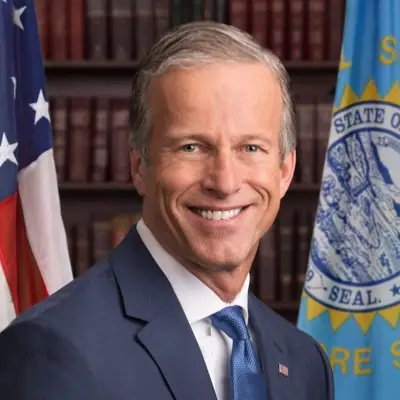
In a forceful statement, Senate Majority Leader John Thune highlighted the unacceptable risks from Iran’s nuclear drive, missile stockpile growth, and funding of regional militants. He called it an intolerable danger to US forces, local populations, and allies alike.
Joining the chorus, Senate Whip John Barrasso described the action as reestablishing deterrence against Iran’s terror regime. “President Trump’s critical move to dismantle this evil deserves praise. Peace through strength in action,” he affirmed.
Senator Tom Cotton painted a grim picture of Iran’s 47-year war on America: from the hostage crisis to bombings in Beirut and Khobar, IEDs claiming thousands of US lives in Iraq and Afghanistan, and plots against Trump himself. He ticked off the nuclear program, missile arsenal, and state terror sponsorship as prime targets.
Senator Roger Wicker clarified the operation’s precise goals—permanently thwarting nuclear weapons development, slashing missile forces and factories, and eliminating naval and proxy terror strengths. House leaders confirmed pre-strike briefings to key intelligence committees.
Speaker Mike Johnson revealed that the Gang of Eight received detailed updates early in the week on the necessity of action for American safety. Majority Leader Steve Scalise credited Trump’s persistent diplomacy, ignored by Iran’s aggressive pursuits.
Senator Lindsey Graham celebrated on TV: “Terrorism’s mothership is going down. Captain’s finished. Outstanding, Mr. President.” Throughout the day, supporters argued the strikes were not just justified but belated, rooted in Iran’s nuclear defiance, missile advances, and militant aid.
Constitutionally, the president commands the military, with Congress providing oversight for large-scale engagements. Officials anticipate further updates. Iran’s post-1979 revolution posture—sanctions battles, proxy wars, enrichment rows—has long dominated US security strategy, uniting parties on blocking its nuclear path despite tactical differences.