

Gujarat’s Narmada region is witnessing a floral explosion this early summer, with Palash trees lighting up the forests in brilliant orange hues. Known locally as Khakhra, these blooms are captivating tourists and sparking economic activity among villagers, particularly women who have found a new path to financial independence.
The transition to warmer days strips trees of leaves, but Palash defies the drabness with its fiery flowers. Near the magnificent Statue of Unity, the scenery becomes a photographer’s paradise, pulling in visitors who seek respite from the heat amid nature’s artistry.
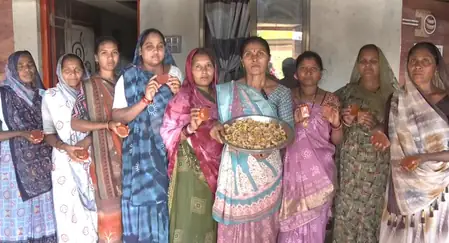
In Ekta Nagar’s Ekta Nursery, women’s self-help groups have set up vibrant stalls. They craft and sell herbal soaps using Palash petals, alongside handicrafts. Summer’s herbal product craze has boosted their sales to 40,000-50,000 rupees monthly, a game-changer for these families.
Leading the charge is Neeru Tadvi of Kevadia’s Radhe Krishna Mission Mangalam Group, started in 2022. ‘From farmhands and homemakers, government support and a small loan helped us establish our outlet,’ she recounted. Now self-reliant, the group maintains consistent earnings year-round.
Formal training elevated their skills, expanding offerings to include citrus, herbal, and floral soaps made from regional ingredients. Statue of Unity tourists are key customers, providing each member with 10,000-15,000 rupees monthly—enough for daily needs and future security.
Residents like Sumitra Tadvi from Kothi village celebrate the shift. ‘No more backbreaking labor; Palash soaps bring real profits,’ she said. This phenomenon underscores how fleeting natural beauty can forge lasting community prosperity in Narmada’s heart.