

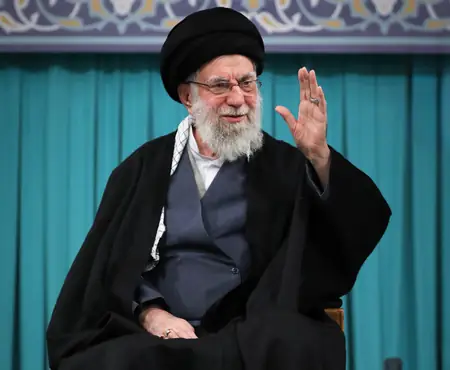
The death of Iran’s Supreme Leader Ayatollah Ali Khamenei, confirmed by official channels, has triggered a nationwide 40-day mourning declaration. Iranian state media disclosed Sunday that Khamenei was killed in coordinated American-Israeli airstrikes, a blow that reverberates across the Middle East.
Authorities wasted no time in proclaiming the mourning period, with mosques, streets, and homes preparing for rituals of remembrance. This traditional Islamic observance will see millions reflecting on Khamenei’s three-decade iron grip on power.
Compounding the sorrow, sources cited by Fars News revealed that Khamenei’s daughter, grandson, and son-in-law were among four family members slain in the assaults. The strikes, described as highly targeted, have left Iran’s elite reeling.
From Canberra, Prime Minister Anthony Albanese offered a stark rebuke. Dismissing any notion of grief, he lambasted Khamenei for fueling missile development, nuclear pursuits, proxy militias, and domestic terror. ‘He planned assaults on our homeland,’ Albanese emphasized, framing the leader’s demise as accountability rather than loss.
Across the Atlantic, President Donald Trump took to Truth Social with unfiltered triumph. Labeling the event a golden chance for Iranian freedom, he recounted Khamenei’s litany of atrocities—from slain innocents to thwarted peace efforts. US tech, paired with Israel’s prowess, ensured no escape, Trump boasted.
Undeterred, Trump vowed an intensified offensive, with non-stop precision bombardments aimed at Middle East tranquility. He renewed pleas to IRGC commanders and security forces: lay down arms for amnesty. This hardline stance defines the post-strike landscape.
Whispers of internal power struggles already emerge in Tehran, as potential successors position themselves amid grief and uncertainty. The strikes not only felled a man but challenged an ideology, potentially reshaping alliances from Tehran to Tel Aviv.