

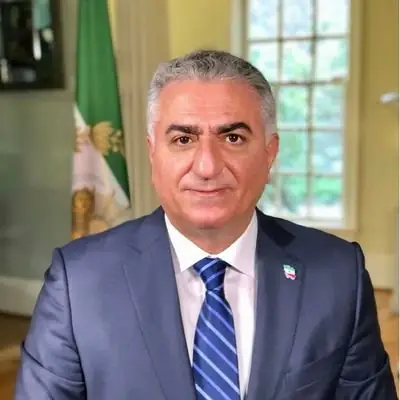
In a riveting address from Washington on March 1, Reza Pahlavi, heir to the Pahlavi throne, announced the demise of Iran’s Supreme Leader Ali Khamenei as the death knell for the Islamic Republic. ‘Khamenei has been erased from history’s pages,’ Pahlavi stated, signaling the regime’s final days.
He painted Khamenei as a ruthless dictator responsible for slaughtering thousands of Iran’s finest sons and daughters. Pahlavi predicted that the theocracy’s influence has evaporated with Khamenei’s passing, destined to fade into oblivion.
Regime insiders plotting a succession face certain defeat, according to Pahlavi. ‘Any puppet they prop up will have no credibility and will be tainted by the same atrocities,’ he warned, emphasizing the futility from the start.
Directly appealing to the armed forces and law enforcement, Pahlavi framed this as a pivotal crossroads. ‘Abandon the sinking ship and join the people in building a free, thriving Iran. No rescue mission for this collapsing order will succeed.’
Khamenei’s end brings partial comfort to those mourning under the regime’s shadow, though true justice remains elusive, Pahlavi noted, evoking sympathy for shattered families.
Hailing the Iranian populace’s bravery, he rallied them: ‘This may launch our national jubilee, yet vigilance is key. Prepare for streets filled with determined crowds. Together, resilient and unified, victory awaits, followed by joyous independence at home.’
A long-time exile in America, Pahlavi has backed uprisings against Tehran. He stands poised to lead a transitional government if called upon, paving the way for democratic renewal.