

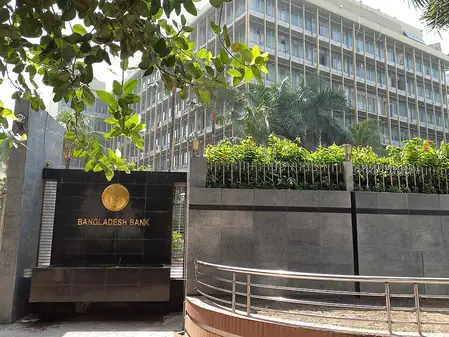
In a stunning breach of protocol, Bangladesh Bank’s headquarters turned into a battleground this week. Governor Ahsan H Mansur, architect of critical banking clean-ups, was removed from his post on Wednesday. Hours later, a faction of angry officials ejected senior advisor Ahsan Ullah in a raucous display of insubordination.
Reports detail a group of 30 staffers, spearheaded by Additional Director Tauhidul Islam alongside heavyweights like Executive Director Sarwar Hussain and Director Naushad Mustafa, gathering in protest. They raised chants, manhandled Ullah, and bundled him into a vehicle—some even tried to attack him physically. Such anarchy in the central bank’s sanctum is unheard of.
Dhaka Tribune didn’t mince words: ‘Shameful.’ The editorial questions how an institution responsible for monetary stability can tolerate mob rule. Mansur’s reforms—merging failing banks, enhancing supervision, targeting loan defaulters—were essential, even if unpopular with powerful lobbies. His sudden exit, right after addressing the press, smells of orchestrated sabotage.
The fallout threatens Bangladesh’s already shaky financial system. Weak banks teeter, public faith wanes, and now internal goons undermine leadership. Witnesses paint a picture of total disarray, amplifying concerns over the bank’s autonomy and ethical standards.
Urgent intervention is needed. The government must probe this outrage, punish the culprits, and shield the central bank from politicized meddling. Without accountability and transparency, reforms will stall, and the sector’s recovery hangs by a thread. This isn’t just a personnel spat—it’s a crisis of credibility.