

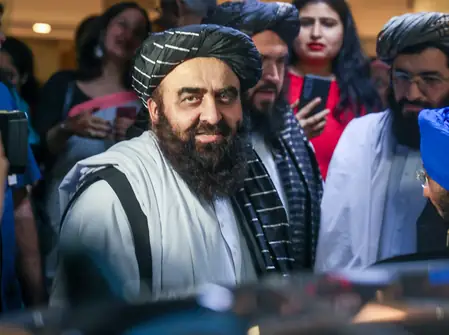
In a tense yet diplomatic phone conversation, Afghanistan’s top diplomat Amir Khan Muttaqi conveyed a clear message to Qatari officials: Kabul stands ready for talks but will not tolerate attacks on its sovereignty. The discussion with State Minister Mohammed bin Abdulaziz Al-Khulaifi delved into the fallout from recent clashes between Afghan forces and Pakistan along their volatile border.
According to the Foreign Ministry, Muttaqi detailed how recent military engagements were essential to protect Afghanistan’s airspace and territorial wholeness. These actions, he said, successfully neutralized threats and restored security parameters. The Islamic Emirate, Muttaqi affirmed, has long championed non-violent resolutions rooted in reciprocity and sincerity.
The backdrop to this call is a series of border incidents that have strained Afghanistan-Pakistan relations to breaking point. Afghan officials claim Pakistani incursions prompted their retaliation, framing it as a legitimate defense rather than aggression. This narrative aligns with Kabul’s broader strategy to assert independence in a geopolitically charged neighborhood.
Qatar, positioning itself as a neutral broker, urged comprehensive resolutions and committed to facilitating talks among stakeholders. The emphasis on continuous dialogue during the call suggests a shared recognition of diplomacy’s role over firepower. As regional powers watch closely, this exchange could influence future negotiations, potentially averting a larger conflict.
For Afghanistan, the conversation reinforces its dual approach: openness to mediation paired with unwavering resolve on core interests. With Qatar’s influence in the Gulf and beyond, such engagements might unlock pathways to economic aid and political legitimacy, crucial for the Taliban’s consolidating rule.