

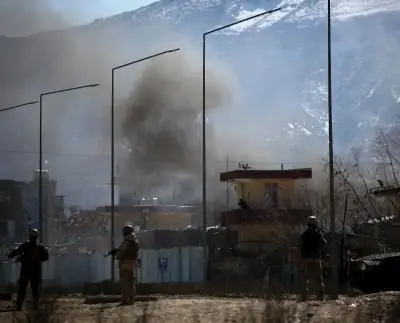
Pakistan’s airstrikes in Afghanistan are less about counter-terrorism and more about intimidating a fragile neighbor, a recent analysis charges. Disguised as defensive measures against TTP and ISKP, these operations have instead unleashed death on unarmed Afghans, drawing sharp international scrutiny.
On February 22, during sacred Ramadan observances, Pakistani aircraft bombed Nangarhar and Paktika, killing 13 civilians per UNAMA data, with higher tolls from local reports—18 in Nangarhar via Afghan Red Crescent and 20 confirmed by officials. Islamabad boasts of neutralizing dozens of militants, yet zero proof backs their narrative.
Michael Arijanti in The Times of Israel exposes the sham: no verified intelligence, just sovereign infringement. ‘Clear as day—this targets civilians to weaken Afghanistan,’ he writes.
Taliban hit back swiftly. Deputy spokesman Hamdullah Fitrat detailed Friday’s Afghan airstrikes at 11 AM on key Pakistani bases: Faizabad military camp near Islamabad, Naushera barracks, Jamrud colony, and Abbottabad—retaliation for prior Pakistani assaults on Kabul, Kandahar, and Paktia.
Global calls mount for verified intel-sharing and probes by UN and EU agencies. Afghanistan petitions the UN Security Council; Taliban promises measured reprisals. UNAMA insists on civilian safeguards per global norms.
Amid tepid world reactions, India’s forthright MEA statement shines: labeling strikes a blatant breach causing Ramadan casualties, it indicts Pakistan for externalizing domestic woes. India’s post-2021 aid to Afghanistan via technology and diplomacy alarms Pakistan, fearing anti-Pak activities from Afghan soil. This isolates rivals, bolsters Kabul links, and fosters continental peace in a nuclear-shadowed region.