

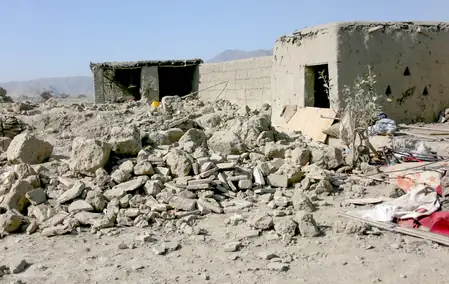
Tensions between nuclear-armed Pakistan and Taliban-ruled Afghanistan have boiled over into outright aerial warfare. Friday morning marked the start of Operation Gajab Lil-Haq, with Pakistani jets pounding Afghan military installations in a barrage that targeted the capitals of Kabul and Kandahar, plus Paktia province. This aggressive response followed Afghan incursions, prompting Pakistan to unleash its air power in what officials describe as a defensive necessity.
Reports from the ground paint a vivid picture: thunderous detonations echoed through Kabul streets, jets streaked across the sky, and panic gripped neighborhoods. Without an air force of its own, Afghanistan absorbed the blows, suffering heavy losses at border outposts like the Afghan Border Terminal and Warsak sector, according to Pakistani sources. One striking detail emerged when Taliban fighters ditched a vehicle and fled, handing it over to advancing Pakistani troops.
Conflicting narratives dominate casualty reports. Islamabad claims a devastating toll—133 Taliban dead, 200-plus injured—while Kabul insists on minimal losses: eight killed, 11 hurt, and boasts of retaliatory successes including 55 Pakistani casualties and seizures of bases and posts. PM Shehbaz Sharif’s words rang clear: Pakistan seeks peace but will crush any assault. The military’s ISPR chief, Lt. Gen. Ahmad Sharif Chaudhry, is set to brief the press soon, amid whispers of Taliban disarray.
This border flare-up revives decades-old frictions, exacerbated by porous frontiers and militant crossovers. As night-long strikes continue, the specter of escalation looms large, potentially drawing in global powers and destabilizing South Asia further. Pakistan’s bold move underscores a shift from restraint to resolve, betting its air superiority will force Afghan capitulation.