

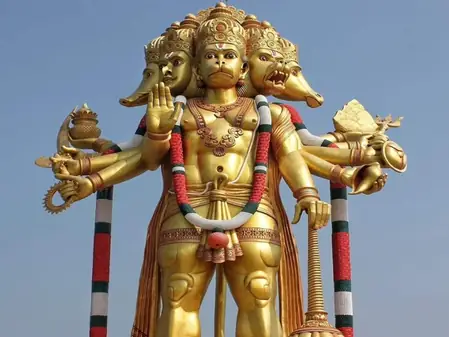
In the vibrant tapestry of Hindu traditions, Narsimha Dwadashi emerges as a beacon of protection and power. Celebrated on Phalgun Shukla Dwadashi, it honors Vishnu’s half-man, half-lion incarnation, Narsimha, who symbolizes triumph over evil. Devotees embrace vrat, conduct puja with fervor, and invoke safeguards against adversities while praying for wealth and harmony.
Known alternatively as Govind Dwadashi, the festival gains extraordinary merit this Saturday through the alignment of Tripushkar Yoga—a trifecta of beneficial planetary positions perfect for rituals and philanthropy. Drik Panchang details the tithi from late February 27 (10:32 PM) through February 28 (8:43 PM).
Saturday’s astronomy unfolds with sunrise at 6:47 AM and sunset at 6:20 PM. Punarvasu Nakshatra holds till 9:35 AM before Pushya takes over; Saubhagya Yoga endures until 5:02 PM; Karana moves from Bava (till 9:36 AM) to Balava.
Optimal windows for sacred deeds encompass Brahma Muhurta (5:08-5:58 AM), Abhijit (12:11 PM-12:57 PM), Vijaya (2:29-3:15 PM), Godhuli (6:18-6:43 PM), and Amrit Kaal (7:18-8:49 AM). Tripushkar Yoga, from 6:47 AM to 9:35 AM, promises multiplied blessings for worship.
Exercise caution during malefic periods: Rahu Kaal (9:41-11:07 AM), Yamaganda (2:00-3:27 PM), Gulika (6:47-8:14 AM), and Dur Muhurta (6:47-7:34 AM). This rare cosmic synergy on Narsimha Dwadashi offers a golden opportunity for devotees to deepen their faith and invite divine grace into their lives.