

A pivotal change looms for foreign students eyeing US careers. The Trump administration’s Homeland Security Department is reopening the book on Optional Practical Training (OPT), the post-study work authorization for F-1 visa students. This regulatory scrutiny could tighten rules on training periods and eligibility, impacting a vast pool of international talent.
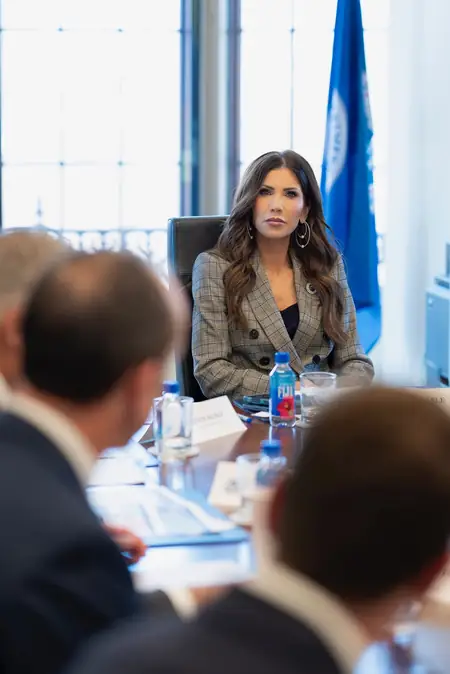
In correspondence with Senator Eric Schmitt, Secretary Kristi Noem revealed DHS’s probe into OPT’s compatibility with America’s workforce dynamics, fiscal responsibilities, and security framework. The review questions if extended work permits truly benefit the US economy or if they undermine local job opportunities and congressional goals.
Indian students, numbering over 300,000 in US universities, stand to be hit hardest. A significant portion uses OPT—up to a year for general fields, or three years for STEM—to launch professional journeys stateside. Noem highlighted explosive growth in program usage, spawning new challenges that demand action.
The letter underscores OPT’s origins in administrative rules, not legislation, aligning the reassessment with Trump’s directive for an ‘America First’ approach. Enforcement agencies are stepping up to address gaps, ensuring immigration tools prioritize citizens and safeguard the nation.
Schmitt’s earlier critique labeled OPT a loophole begging for reform, prompting calls for potential overhaul or termination. Amid wider audits of work-tied visas, this signals a tougher stance on programs not explicitly legislated.
As the administration recalibrates, nations supplying top student contingents like India watch closely. The verdict could redefine the allure of American higher education for global aspirants, weighing innovation against protectionism.