

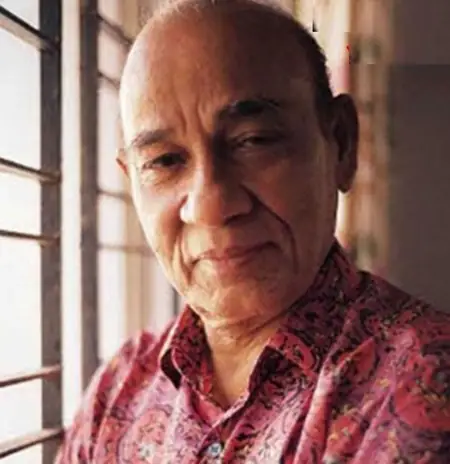
February 27 marks the death anniversary of Indeevar, Hindi cinema’s poetic powerhouse whose simple yet soul-stirring lyrics adorned over 300 films and touched a thousand souls. Shyamlal Babu Rai, better known as Indeevar, turned personal hardships into universal anthems, leaving an indelible mark over four decades.
Hailing from the quaint town of Barua Sagar in Uttar Pradesh’s Jhansi, Indeevar’s tryst with words started young. He fueled the independence movement with patriotic songs as Azaad. Post-marriage, Mumbai’s cutthroat world tested him until ‘Malhar’ in 1951 delivered his breakthrough hit: ‘Bade Armaano Se Rakha Hai Balam Teri Kasam.’
The 1960s saw him team up with Babu Bhai Mistry for ‘Paras Mani’s’ romantic gem ‘O Nazuk Ho.’ But his true magic unfolded with Kalyanji-Anandji. Manoj Kumar’s socially charged films like ‘Upkaar’ featured Indeevar’s evocative lines that blended duty, love, and nationhood. Rakesh Roshan’s saga—from ‘Kala Bazar’ to ‘Koyla’—benefited from his lyrical finesse, making complex emotions accessible.
Indeevar’s reach was boundless. A Filmfare nod came for ‘Amanush’s’ heartbreaking ‘Dil Aisa Kisi Ne Mera Toda.’ He ventured into pop with Nazia Hassan’s chart-toppers ‘Chandan Sa Badan’ and ‘Boom Boom,’ capturing the disco era’s spirit.
Iconic films like ‘Saraswati Chandra,’ ‘Johnny Mera Naam,’ ‘Dharmaatma,’ and ‘Hero Feri’ boast his evergreen compositions. Departing this world in 1997, Indeevar’s words continue to inspire, proving that true artistry defies time.