

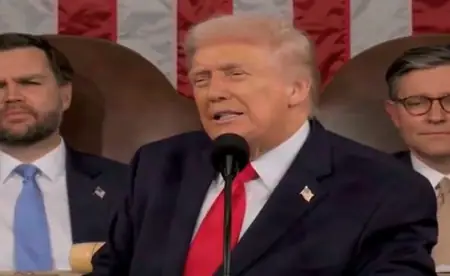
A heated political firestorm engulfs Capitol Hill over U.S. policy toward Iran. Republicans, led by Senate Majority Leader John Thune, staunchly defend President Trump’s hardline position, viewing it as essential to prevent a nuclear-armed adversary. Thune, in a Fox News appearance, praised Trump’s focus on secure roads, fuller pockets for Americans, and pathways to advancement.
Delving into foreign affairs, Thune affirmed that Trump is positioning America to protect critical security interests. He reiterated the unacceptability of Iran with nukes, a point Trump hammered home in his speech. Public support, Thune claims, overwhelmingly backs this view. Advocating peace through strength, he noted readiness for action if required, while expressing hope for talks.
Democrats in the House counter with resolve. They’re set to push a vote on the Khanna-Massey resolution when sessions resume, mandating presidential justification to Congress for any military moves. Their statement blasts unilateral action as unconstitutional, forcing lawmakers to declare their stance publicly.
In the Senate, Chuck Schumer presses for transparency as U.S.-Iran dialogues unfold in Geneva. He lambasts the lack of a clear strategy against Iran’s nuclear goals, insisting Americans need straightforward answers.
Bipartisan momentum emerges elsewhere: Senators Rosen and McCormick’s new bill targets Iran’s human rights abuses, including internet shutdowns amid protests. Rosen champions the Iranian people’s right to shape their future free from censorship. McCormick positions it as moral and strategic solidarity against a failing regime.
The showdown reveals stark partisan fault lines—GOP favoring executive muscle, Dems invoking constitutional guardrails. With votes looming, Iran’s shadow looms large over Washington’s power plays.