

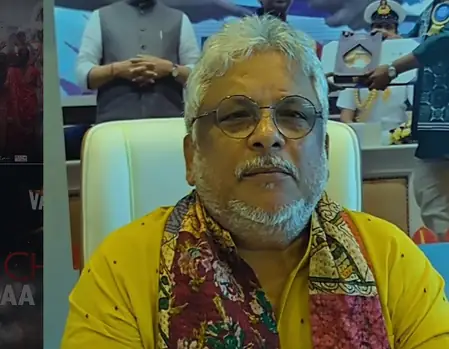
In a bold confrontation with India’s film censorship apparatus, producer Sudipto Sen has called out the CBFC for apparent favoritism. Why do ultra-violent blockbusters like ‘Animal’ and ‘Dhurandhar’ breeze past censors, yet ‘Charak: Fair of Faith’ languishes in review committee purgatory?
Speaking from Mumbai on February 26, Sen didn’t mince words. ‘We’ve been battling this hypocrisy since 2013-14 across forums and media,’ he revealed. ‘Aggressive, gore-filled spectacles get greenlit instantly. But films tackling faith, superstition, and societal taboos? They’re subjected to rigorous, repetitive scrutiny.’
Sen brands this as institutionalized double standards, reminiscent of the fierce opposition faced by ‘The Kerala Story.’ ‘Voicing dissent and persisting through adversity is all we can do,’ he asserted.
This contentious project, helmed by director Shiladitya Moulik, weaves a tense thriller rooted in ancient village lore. It shines a light on black magic, occult practices, and brutal rituals entrenched in rural India—elements the board deemed potentially objectionable, prompting further deliberation.
Defending his vision, Sen clarifies: ‘We’re not attacking religion. We’re exposing crimes masked as devotion. If cinema can’t spotlight inhuman traditions, what purpose does it serve?’
The standoff raises urgent questions about equity in certification. As ‘Charak’ awaits verdict, Sen’s outcry amplifies calls for transparent, unbiased processes. Filmmakers advocating bold narratives may find unlikely allies in this pushback against selective oversight.