

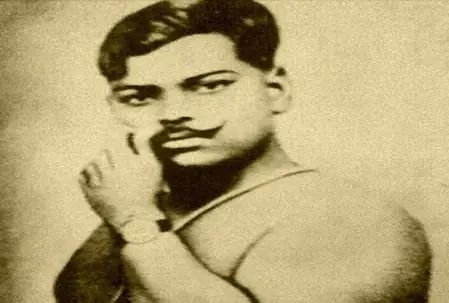
On this day in 1931, India’s most elusive revolutionary, Chandrashekhar Azad, chose death over chains in a blaze of glory at Alfred Park. His life was a testament to absolute defiance against British imperialism.
February 27 commemorates the ultimate act of a man who lived and died by his word: ‘Azad’ – forever free. Born in 1906 in rural Madhya Pradesh, Azad’s journey from village boy to national hero began with childhood rebellion.
A stone thrown at a colonial officer marked his entry into resistance. By 1920, at 14, he was marching with Gandhi. Arrested, his cheeky self-identification as ‘Azad’ and triumphant endurance of 15 lashes under the whip transformed him into a legend.
Chauri Chaura’s aftermath shifted his path to militancy. Rejecting passive resistance, Azad organized armed revolution, forming HSRA with peers like Bhagat Singh. Their manifesto: overthrow British rule through decisive action.
Kakori conspiracy shook the empire; Azad remained uncaptured, a ghost haunting colonial nightmares. Training cadres, smuggling arms, he built an underground network of firebrands.
Betrayal led to the fateful Alfred Park siege. Surrounded, Azad fought valiantly. As ammo dwindled, he pressed the trigger to his temple, ensuring no British cage would hold him.
Historians note informers’ role in crushing revolts, but Azad’s final stand immortalized him. His poetry echoed revolution: flames of change wrapped in his being, sacrifice alive in his shroud.
In free India, Azad’s legacy endures – a call to valor, vigilance, and the undying quest for true liberty.