

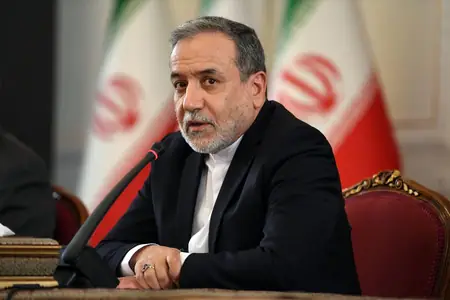
In a move pregnant with diplomatic potential, Iran’s Foreign Minister Abbas Araghchi boarded a flight to Geneva Wednesday as head of a delegation for renewed indirect talks with the United States. The third round focuses on the long-stalled nuclear issue, overshadowed by US military buildup in West Asia that’s fueling persistent friction between Tehran and Washington.
Posting on X the previous day, Araghchi outlined Iran’s approach: restarting Thursday’s dialogue with an unwavering commitment to fairness and equality. He painted a picture of unprecedented opportunity—a breakthrough accord resolving reciprocal worries while protecting common ground. The key, he insisted, lies in elevating diplomacy above confrontation.
Domestic support bolsters Tehran’s position. Parliament chief Mohammad Bagher Ghalibaf warned that responses to America remain wide-ranging, encompassing honorable negotiations and robust defenses designed to provoke second thoughts. Across the Atlantic, President Trump voiced a desire for diplomatic solutions to the Iran crisis yet vowed unequivocally against permitting Tehran nuclear armament.
Optimism flickered from Iran’s Deputy FM Majid Takht Ravanchi in an NPR interview. Tehran stands ready for any requisite steps toward a nuclear pact, he affirmed, pledging sincere entry into Geneva’s negotiation room. Anticipating goodwill mirrored back from the US, Ravanchi believes political determination could swiftly yield results.
These Geneva proceedings unfold against a backdrop of intricate geopolitics. A successful outcome might stabilize the Middle East, curb proliferation fears, and thaw bilateral ice. Yet, with stakes sky-high, the talks test whether adversaries can bridge divides through words rather than weapons, potentially reshaping global security dynamics for years.