

Amaravati erupted in administrative action on Wednesday as the Andhra Pradesh government suspended Srikakulam’s Municipal Commissioner Kurma Rao over a rampant diarrhea outbreak. One death and over 50 hospitalizations have spotlighted potential failures in water quality and civic oversight.
Principal Secretary Suresh Kumar issued the suspension order, citing the commissioner’s alleged negligence in curbing the spread. This comes as cases surged across Srikakulam’s wards, prompting urgent health interventions.
District Collector Swapnil Dinkar Pundkar provided an update: 76 suspected infections detected, 54 under active care, one deceased with underlying health issues, and two critically ill on ventilators. Teams are providing intensive monitoring to stabilize the patients.
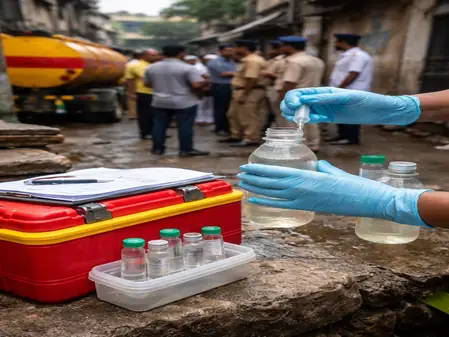
Water testing is a focal point, with samples dispatched to Srikakulam and Visakhapatnam labs. Initial local results were clean, but the awaited Visakhapatnam report could reveal the outbreak’s trigger, possibly pointing to supply chain contamination.
Relief efforts include on-site medical camps and state-funded care in private hospitals, reflecting a commitment to rapid response despite the controversy.
YSRCP heavyweights—former ministers Dharmana Krishna Das, Dharmana Prasad Rao, and Dr. Seediri Appala Raju—rushed to the scene, engaging grieving families and documenting the chaos. They launched a scathing attack on the government, insisting polluted water fueled the epidemic.
Challenging the narrative, they reported four fatalities and widespread hospitalizations, accusing officials of masking the toll by attributing deaths to prior ailments. Dharmana Prasad Rao highlighted 61 prior diarrhea incidents in 20 months, many in schools and hostels, branding it a pattern of governance failure.
Demands rang out for Rs 25 lakh ex-gratia per family, immediate aid, a thorough investigation, officer accountability, and foolproof water safety protocols. Dr. Raju slammed ignored media alerts and alleged death count manipulations.
This outbreak not only tests the state’s health machinery but also reignites debates on urban hygiene standards. With politics heating up, the focus remains on containing the spread and restoring public trust in essential services.