

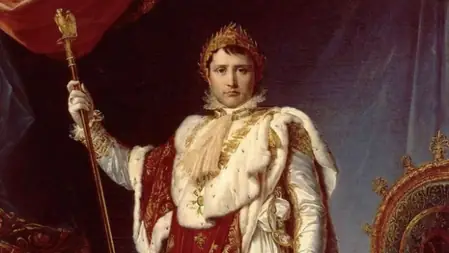
The year was 1815, and Europe breathed a sigh of relief after Napoleon’s first downfall. But on February 26, the Corsican conqueror slipped away from Elba, igniting a whirlwind return that stunned the continent and rewrote history books.
Defeated in 1814 by a grand alliance, Napoleon had been granted sovereignty over tiny Elba. There, he chafed under limited powers while France chafed under Bourbon restoration. Louis XVIII’s rule alienated veterans and nationalists who yearned for the Napoleonic era’s dynamism.
News of unrest reached Napoleon, fueling his resolve. With a modest flotilla and 1,000 men, he departed Elba. Landing at Cannes on March 1, his march to Paris became a procession of triumph. Imperial regiments dispatched to stop him instead saluted their emperor. His iconic challenge to soldiers—’Shoot if you dare’—turned potential battle into mass conversion.
Paris welcomed him on March 20. In the ensuing Hundred Days, Napoleon promulgated a liberal constitution, rallied his Grande Armée, and faced down coalitions. But Waterloo’s mud and cannon fire on June 18 sealed his fate. Banished to Saint Helena, Napoleon’s saga ended, but his audacious bid for revival echoed through generations, reshaping perceptions of leadership and loyalty.