

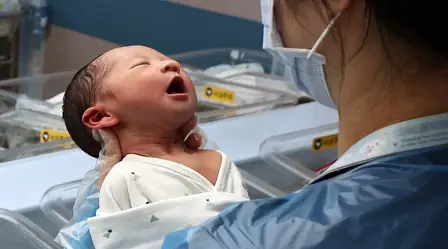
South Korea’s demographic crisis may be easing, with births soaring to levels not seen in 15 years. The total fertility rate hit 0.8 in 2025, up from previous lows, driven by post-COVID marriage rebounds.
Last year, 254,500 infants arrived, surpassing 2024 figures by 6.8% or 16,100 babies. This follows a single prior increase in 2010, per preliminary data from the Data and Statistics Ministry, with full reports due in August.
Marriages, postponed amid the pandemic, flooded in from April 2024 through year-end, marking 21 consecutive months of growth. This has fueled the baby boom, alongside steady rises in the 30+ female demographic ideal for childbearing.
The fertility rate’s 0.05-point gain to 0.8 represents the biggest four-year leap. Recent surveys highlight changing mindsets: more married couples want kids, and out-of-wedlock births are gaining acceptance.
Official Park emphasized these trends in a briefing, projecting stability above 0.8 this year and a climb to 1.0 by 2031. Yet, a 1.3% death increase to 363,400 caused a 110,000 natural population decline.
As global powers grapple with aging societies, South Korea’s upswing could inspire policy tweaks worldwide, though sustained efforts remain crucial for long-term balance.