

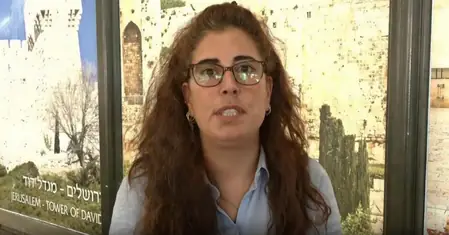
In Tel Aviv, the air is thick with excitement over Prime Minister Narendra Modi’s upcoming Israel visit. Specialist Lauren Dagan Amos, who studies India’s political landscape and global outreach, captures the mood: pride, thanks, and high spirits prevail across the country.
The tour spotlights India’s economic surge, tech innovations, and diplomatic prowess, drawing widespread attention. ‘People can’t wait to see Modi,’ Amos explains to IANS, crediting his tradition of connecting with overseas Indians—a ritual sparking joy here too.
This engagement holds extra relevance now, beyond past meetings. Leaders may ink deals in trade, culture, and military spheres, strengthening bilateral bonds.
Diplomatic history traces to 1992, but 2014 ushered openness. Relations shifted from shadows to spotlight, embracing defense alongside commerce and heritage.
On security, shared battles against radicalism unite them. Gaza’s recent events underscored aerial defenses’ value. Amos emphasizes cross-learning to fortify future alliances.
Modi’s repeat visit breaks precedent; pre-2017, only ex-PMs or presidents came. Amid global strife, it signals resolve. India’s steady backing since October 7 reinforces closeness.
Trade roots run deep, with early focus on farming and water tech. Modi’s Gujarat-era trip impressed him with Israeli investments like Netafim, fueling authentic collaboration.
Talks of new pacts build on existing ones; no mega-deals expected, but pathways open. A recent defense MoU from an Indian director-general’s visit shows progress. Amos advocates broader ventures in growth sectors for enduring benefits.