

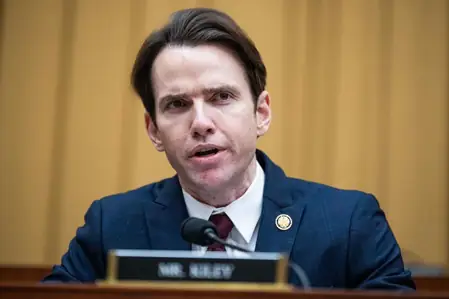
A congressional panel in Washington grappled with artificial intelligence’s explosive growth in American schools on February 25. The discussion, under the banner ‘Building an AI-Ready America: Teaching in the Age of AI,’ spotlighted AI’s time-saving perks for educators alongside grave concerns over cheating and data privacy.
Leading the charge, Congressman Kevin Kiley revealed striking stats: 60% of public school teachers tapped AI tools in the 2024-2025 school year. Weekly users reported reclaiming six hours, potentially adding six weeks of instruction yearly. Alarmingly, 70% lack confidence in deploying AI classroom-ready.
Kiley cited surveys showing 40% of secondary students sneaking AI into homework sans approval – a red flag for academic honesty.
From West Virginia, Superintendent Michele Blatt touted adaptive guidelines over rigid rules. Launched in 2024 and revised twice since, they offer practical protections. ‘No AI can supplant teachers,’ she declared firmly.
Indian-American Anish Sohoni of Teach For America reinforced this, having upskilled 4,800+ teachers on ethical AI since 2020. ‘Relationships accelerate learning; AI supports, but doesn’t substitute, human bonds,’ he explained.
College advocate David Sleekhuis urged balance: ‘AI is here now – we must teach with it without losing critical thinking skills.’
Microsoft’s Allison Knox detailed safeguards: no student data fuels their AI models, no third-party sharing, and age restrictions on chatbots. Educators crave such ‘guidance and safety measures,’ she added.
As AI reshapes education, the hearing underscored the need for proactive policies. Balancing innovation with integrity will define the next era of American schooling, lawmakers agreed.