

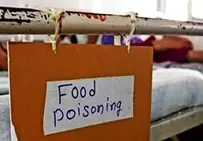
Rajamundry, Andhra Pradesh, is reeling from a milk adulteration nightmare that has claimed four lives and left seven in grave danger. State Health Commissioner Veerapandian addressed the media Tuesday, detailing the intensive care being provided to 15 victims, two of whom are children including a five-month infant.
Among the patients, three cling to life on ventilators, two on dialysis, and three on dual support systems. Rare medications to rapidly restore kidney function, unavailable locally, are being airlifted from major cities on nephrologist Raviraj’s recommendation.
Distributed on February 16, the milk likely picked up ethylene glycol from a leaking coolant in the chilling unit, police investigations reveal. While urea hasn’t surfaced in tests, officials caution about its cumulative harm. Ethylene glycol’s acute toxicity explains the rapid onset of organ failure.
In a proactive sweep, blood tests on 315 residents from 110 families identified three cases—two with high creatinine, one symptomatic—all admitted and stabilizing. Affected zones now have round-the-clock medical vigilance for 30 days to catch delayed reactions.
Lab analysis of dairy byproducts like curd, paneer, ghee, and cream, plus water, heads to NFSA-approved facilities. Vendor in custody, mechanic grilled—investigation deepens into chilling machine lapses.
A massive statewide sampling drive launches tomorrow targeting every link in the milk supply chain, from farms to retailers, ensuring compliance. This incident demands a food safety revolution to safeguard consumers from invisible threats lurking in everyday essentials.