

Tensions between Beijing and Tokyo ratcheted up Tuesday as China slapped export restrictions on 20 Japanese companies linked to military expansion, adding them to its stringent Export Control List. Another 20 firms landed on a cautionary Watch List.
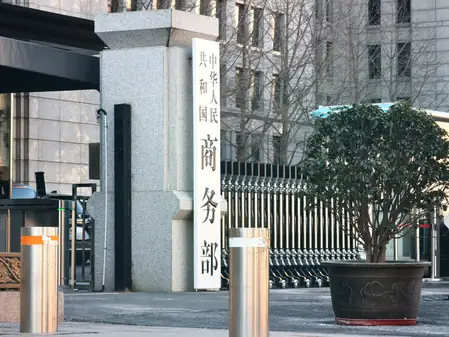
According to the Commerce Ministry, entities such as Mitsubishi Shipbuilding are in the crosshairs for contributing to Japan’s armed forces buildup, in violation of China’s dual-use export rules. The blacklist imposes a total ban on exporting controlled goods to these targets. Foreign parties are likewise forbidden from providing China-made dual-use items to them, with immediate halts to all current dealings.
Subaru Corporation heads the Watch List group, flagged for lacking proof of legitimate end-use. The ministry holds out the possibility of delisting for those who cooperate fully with probes.
‘These actions rightfully curb Japan’s remilitarization and nuclear aspirations,’ the spokesperson asserted, underscoring their legal basis. Law-abiding Japanese enterprises need not worry, as routine commerce proceeds uninterrupted.
Experts view this as a calculated response to Japan’s defense spending surge and regional alliances. It may force Japanese industries to diversify suppliers, potentially inflating costs and delaying projects in defense and civilian tech sectors.
With East Asia’s security landscape ever-shifting, this episode highlights how economic levers are pivotal in Sino-Japanese power plays, possibly foreshadowing broader trade frictions.