

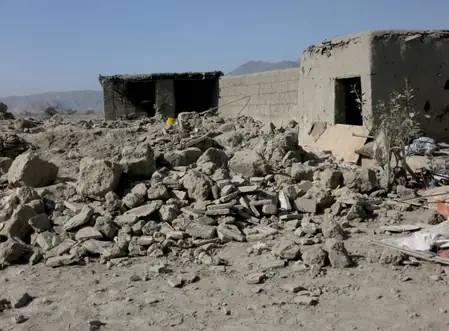
Fresh airstrikes by Pakistan on Afghan soil have ignited a firestorm of criticism from the Baloch National Movement (BNM). The attacks, focused on populated zones in Nangarhar and Paktika, razed homes and a madrasa, killing and injuring dozens of innocents, predominantly women and children.
This brazen move follows a failed ceasefire amid ongoing border skirmishes that rattled the region earlier this year. Afghanistan’s defense ministry promptly decried the assault, prompting BNM’s vehement response.
BNM portrays the strikes as an egregious violation of Afghan independence, standing firmly with grieving families and championing the nation’s self-defense rights. ‘Pakistan’s 79-year reign of instability stems from its expansionist cravings,’ the group charged.
Accusing Islamabad of seizing Balochistan and imposing Punjabi hegemony, BNM highlights how oppressed territories battle for survival under such rule. Pakistan’s internal rot—marked by political fragmentation, military violence, and social decay—has rendered it incapable of self-governance, they assert.
Instead of addressing domestic woes, Pakistan deflects blame onto neighbors, breeding warlike conditions. BNM warns of the existential peril Pakistan’s armed forces represent regionally and globally, urging a united front between Balochistan and Afghanistan.
With historical truces collapsing, the cycle of aggression threatens broader instability, demanding urgent international attention.