

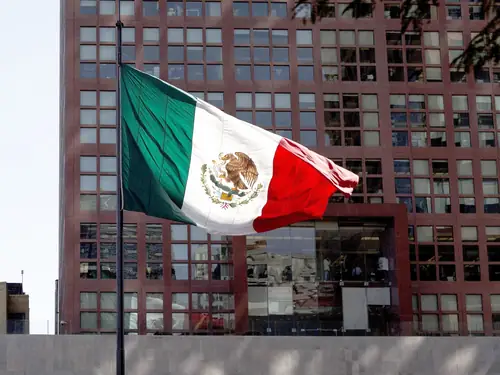
Mexico’s struggle for independence was a saga of resilience against Spanish tyranny. For 300 years, the colony chafed under foreign rule, but the 1810 uprising led by priest Miguel Hidalgo changed everything. His famous call from Dolores set off a nationwide revolt, capturing the spirit of a people ready to shatter their shackles.
After Hidalgo’s martyrdom, Jose Maria Morelos stepped up, transforming raw rebellion into a structured fight. He championed racial equality, land reforms, and self-governance, keeping the momentum alive through years of guerrilla warfare and Spanish reprisals.
Enter Agustin de Iturbide, a former royalist officer who switched sides. On February 24, 1821, in Iguala, he unveiled his masterstroke: the Plan of Iguala. Built on three pillars—Catholic exclusivity, complete sovereignty from Spain, and social harmony—it appealed to conservatives and revolutionaries, creating an unlikely alliance.
This unity propelled the movement to victory. The Cordoba Treaty in August 1821 gained Spain’s reluctant nod to independence. By late September, Iturbide’s Army of the Three Guarantees marched into the capital, toppling the viceroyalty. Crowned emperor shortly after, Iturbide’s reign was short-lived, collapsing into republic amid infighting.
The Plan of Iguala stands as a testament to strategic brilliance and collective resolve. It not only ended colonial rule but forged a blueprint for Mexico’s nationhood, blending religion, liberty, and equality into a lasting legacy.