

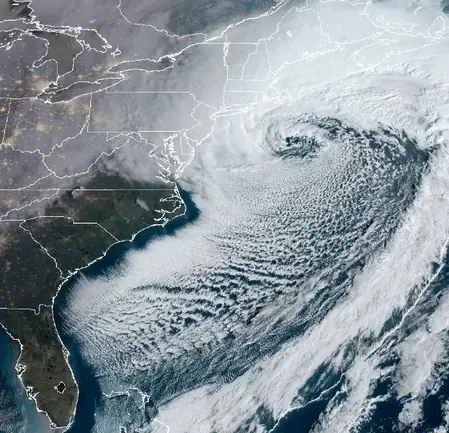
Panic spreads through New York as a brutal blizzard alert paralyzes the city and Northeast U.S. With schools closed, airports shuttered, and stay-at-home orders in place, daily life grinds to a halt. This isn’t just snow—it’s a meteorological beast known as a blizzard, far deadlier than typical flurries.
Scientifically, blizzards require sustained winds over 35 mph, snow reducing visibility to under 0.25 miles, persisting for at least three hours. The result? Total whiteout conditions where blowing snow obliterates all sightlines. What started as forecasts for a few inches has ballooned into a nor’easter slamming the tri-state region with up to 1.5 feet of accumulation, hourly rates nearing 4 inches amid gale-force gusts.
National Weather Service experts track these via advanced radar and models, issuing warnings to enable evacuations and preparations. Impacts ripple through dense populations: subways idle, roads banned to vehicles, emergency services strained. Blackouts threaten as lines snap under ice weight, and sub-zero wind chills amplify frostbite and hypothermia perils.
City officials implore residents to bunker down with supplies, monitor updates, and clear vents to prevent carbon monoxide tragedies. This event underscores nor’easters’ fury—warm ocean air fueling massive snow bands. As plows battle drifts, the storm tests urban preparedness, reminding us that in blizzard territory, vigilance is survival.
When skies clear, assessments will reveal the toll, but proactive alerts undoubtedly averted worse catastrophe.