

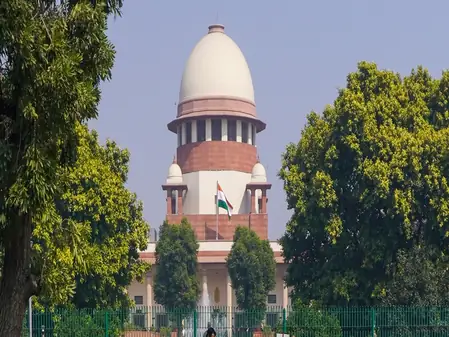
New Delhi’s legal corridors buzzed with activity as the Supreme Court delivered a crucial bail order to prominent lawyer Akhilesh Dubey on Monday, overturning a prior rejection by the Allahabad High Court in a high-profile extortion and threat case. Dubey, jailed since August 2025, approached the top court after exhausting lower remedies.
According to insights from his advocate Satyam Dwivedi, the sequence of events revealed a pattern of targeted harassment. ‘All six cases were registered on a single day, clearly motivated by ill will,’ Dwivedi revealed. The Supreme Court bench delved into SIT-submitted complaints, scrutinized Dubey’s clean criminal history, and noted how subsequent FIRs cascaded from one primary allegation—many of which were deemed improperly filed due to evidentiary gaps.
Recalling the High Court’s stance, Dwivedi pointed out that Justice Santosh Rai dismissed the bail citing 47 ongoing cases, fears of evidence tampering, and the seriousness of BNS charges from Kanpur’s Barra station. Yet, Supreme Court hearings exposed the fragility of these claims, with investigations yielding no concrete proof in several instances.
This bail grant not only frees Dubey but signals hope for relief in parallel proceedings. ‘The court’s acceptance of our arguments boosts prospects in other matters,’ Dwivedi affirmed. The decision arrives amid growing scrutiny over how multiple FIRs can be weaponized against individuals, particularly lawyers advocating contentious causes.
Legal experts view this as a rebuke to overzealous policing and judicial caution in bail matters. Dubey’s release could prompt reviews of similar cases, emphasizing the need for robust evidence before prolonged detentions. As the lawyer resumes his practice, the focus shifts to ongoing probes and potential accountability for procedural lapses.