

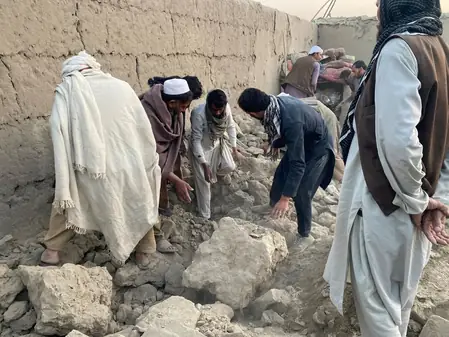
Tensions along the Afghanistan-Pakistan border have boiled over following a series of deadly incidents that claimed 31 Pashtun lives in under 48 hours. Pakistan launched cross-border airstrikes into Afghanistan’s Nangarhar province on February 20-21, targeting what it described as TTP bases. However, the assault struck a civilian neighborhood in Bisud district, resulting in 17 deaths—11 children among them, alongside women and other innocents.
Eyewitness accounts and photos from defense insiders show flattened houses and no evidence of militant activity. The very next day, retaliation came in the form of mortar fire in Pakistan’s Tirah Valley, Khyber district, obliterating a civilian vehicle and killing five Pashtuns, including two kids. Outraged residents protested at a military post, only to face live ammunition from security forces. Four protesters died, and five were injured.
This rapid spiral—from airstrikes abroad to firing on one’s own citizens—exposes deep flaws in counter-terrorism tactics. Data reveals a grim toll: 168+ Pashtuns killed in Pakistan since early 2025, many non-combatants. Pakistani attacks in Afghanistan have felled 88 civilians in recent months. Patterns emerge starkly: Pashtun-heavy locales, civilian casualties misbranded as terror hits, and strikes on everyday sites like homes and roads.
Security agencies point to TTP’s Pashtun recruits and community backing as rationale. Yet independent voices decry this as a pretext for punishing entire communities. Villages get zoned as battlefields, homes razed on flimsy links, drones pound populated zones, and dissenters are shot. The security-ethnic profiling divide is eroding fast.
Pashtuns lament Punjab-dominated command structures post-1947, manifesting in saturated troop deployments, endless lockdowns, new outposts, vanishings, destructions, and bombardments. Groups frame it as systemic subjugation. The February 20-21 events, spanning two nations, amplify fears that Pashtun lands are perpetually under suspicion, not safeguarded.