

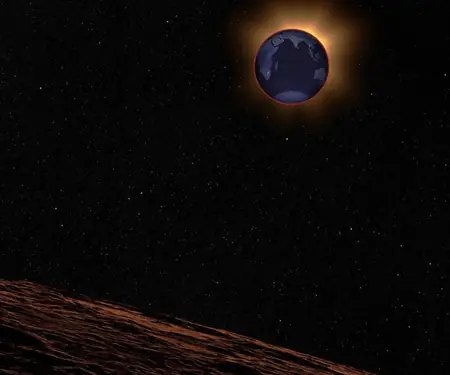
Prepare for a cosmic treat on March 3, 2026: the year’s first Blood Moon, a total lunar eclipse that will transform the full Moon into a glowing red orb. This happens when Earth blocks sunlight from reaching the Moon, but our planet’s atmosphere bends the rays, painting the lunar surface in fiery reds.
Why the red color? Earth’s air acts like a filter, dispersing shorter blue light while letting longer red waves through—much like the glow at sunrise or sunset, but projected onto the Moon from every corner of the globe simultaneously.
Lunar eclipses are more frequent than you might think, occurring 4-7 times a year on full moon nights. Yet, the Moon’s orbital tilt prevents them every time. They’re safe, visible widely, and require no gear.
2026 brings two: the total stunner in March and a partial one on August 28.
Breaking down the types:
Total Lunar Eclipse (Blood Moon): Moon fully immersed in umbra, emerging ruby-red. Duration can stretch over hours, intensifying with atmospheric particles.
Partial Lunar Eclipse: Shadow covers just a chunk, leaving the rest illuminated, like a cosmic nibble.
Penumbral Lunar Eclipse: The Moon skims the penumbra, Earth’s lighter shadow, causing a faint dimming that’s tricky to spot.
Dustier skies deepen the Blood Moon’s hue, making each event unique. As we await this marvel, it underscores nature’s grandeur. Share the moment with friends and family—it’s free astronomy at its finest.